Available Nut Types
Industrial Nut Standards & Locking Mechanisms
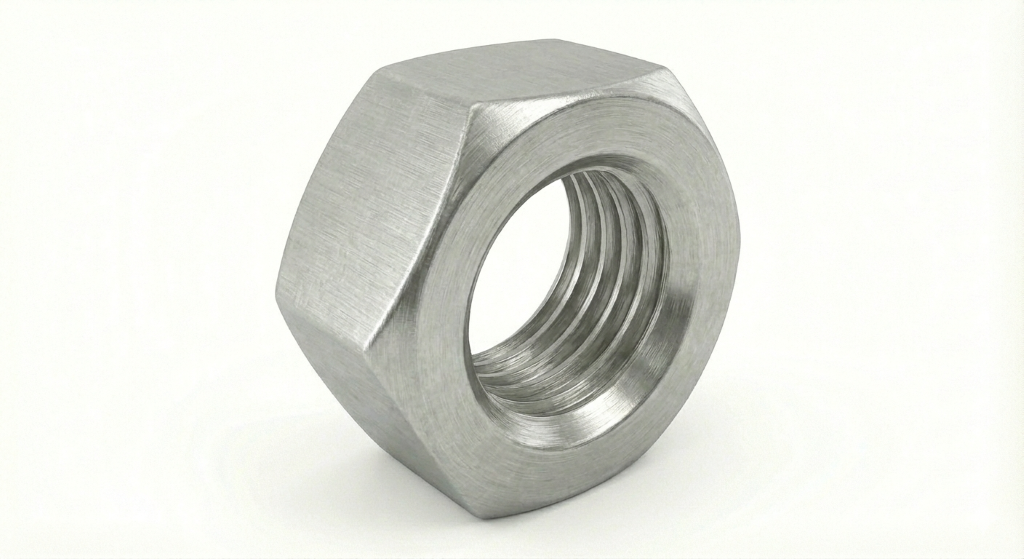
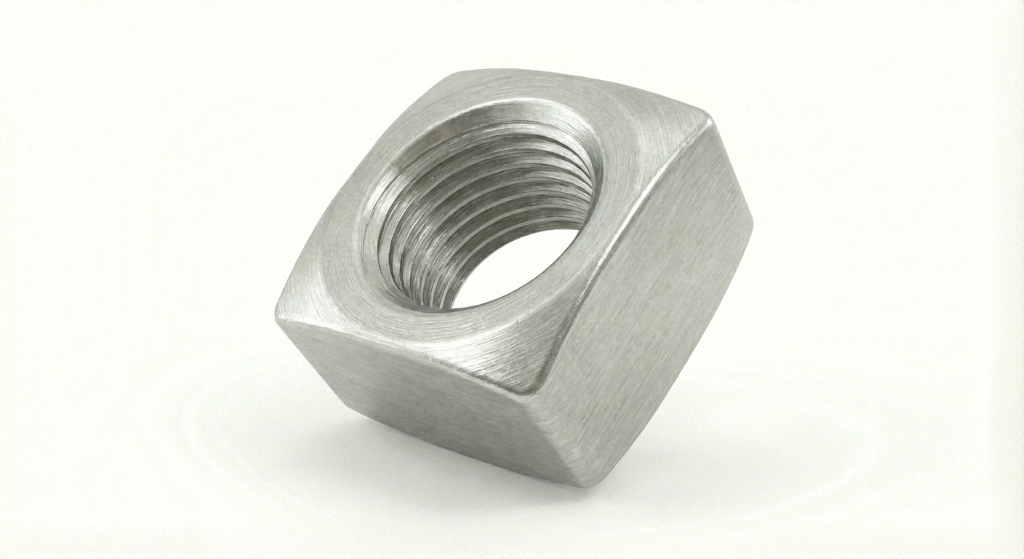
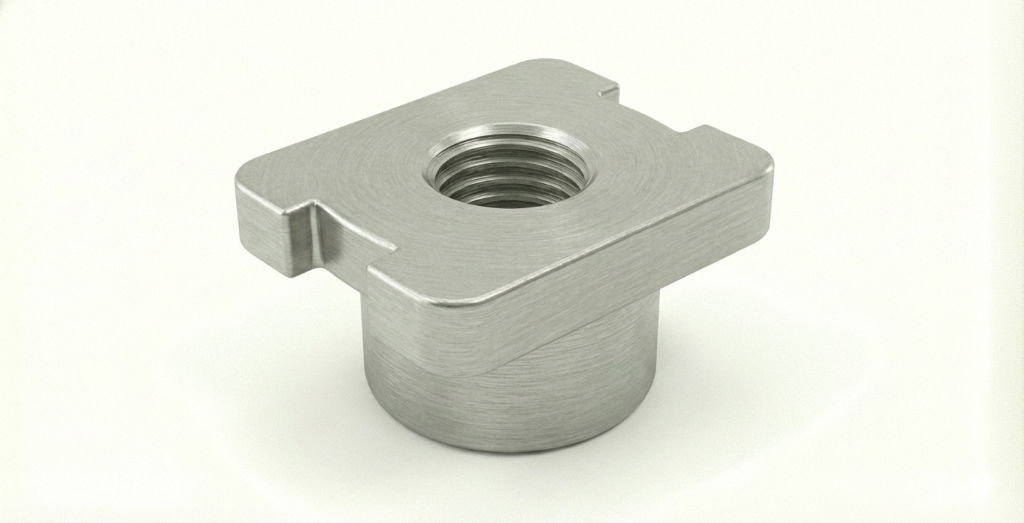
A nut is more than just a threaded hole; it is the primary component that maintains the preload in a bolted joint. For mechanical designers, choosing the right nut involves balancing strength requirements, vibration resistance, and space constraints. Most industrial nuts follow ISO 4032 or DIN 934 standards for metric dimensions.
Property Classes & Strength
Nut strength is categorized by a "Property Class" number (e.g., Class 8, 10, or 12). A general rule of engineering is that the nut class should match or exceed the bolt class. For example, a Grade 8.8 bolt should be paired with a Class 8 nut to ensure the bolt breaks before the nut threads strip.
Vibration & Security
Standard hex nuts can loosen under dynamic loads. To prevent this, engineers specify Nyloc nuts (which use a nylon insert to create friction) or Prevailing Torque nuts (all-metal locking). For permanent or high-security installs, "Jam Nuts" or "Castle Nuts" with cotter pins may be utilized.
Design Tip: Thread Engagement
To achieve full strength, a bolt must engage with a minimum number of threads inside the nut. In most steel-on-steel applications, the height of the nut is designed so that the bolt will fail in tension before the threads strip, provided at least two full threads extend past the top of the nut.